Strong on the job, human after the call
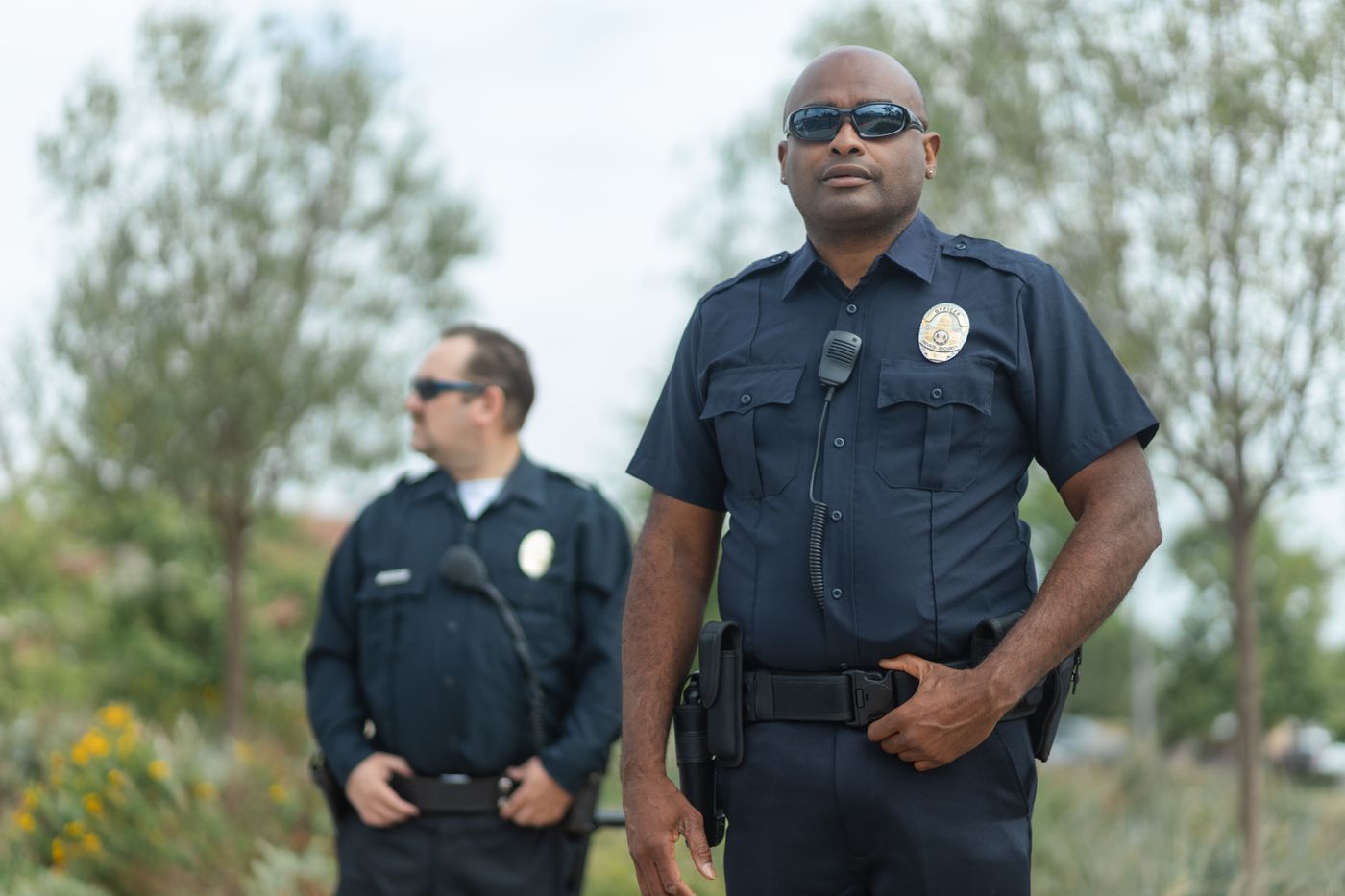
Police officers, firefighters, EMTs, paramedics, dispatchers, and other responders work in environments where composure matters. Support should respect that culture.
You do not have to explain the job to everyone
First responder work can involve shift changes, critical incidents, difficult calls, public pressure, and experiences that are hard to translate into ordinary conversation. A useful counselor does not need you to perform vulnerability; they need to listen and understand the context.
Watch the small signals
Changes in sleep, irritability, isolation, concentration, relationships, or your ability to turn off work can be worth noticing. You do not have to wait for a crisis to take those signals seriously.
Keep support practical
Support can include stress-management skills, communication work, relationship support, transition planning, and trauma-informed counseling. The pace should fit the person and the situation.
Protect the life outside the uniform
Your identity is bigger than the role. Time with family, exercise, hobbies, faith or meaning, peer connection, and genuine rest can help create a life that is not defined only by the next call.